DISCOVER COELHEIROS

Part of Nature.

Proudly Regenerative.

For more than 500 years, we have been getting to know Coelheiros.

Generation after generation, we have learned to read this land and to understand what each part of it has to give.

That knowledge is what our wines are made from: we look for precision, identity and a sense of place that truly belongs to Coelheiros.
Because caring for this place also means making sure it always has something of its own to show.

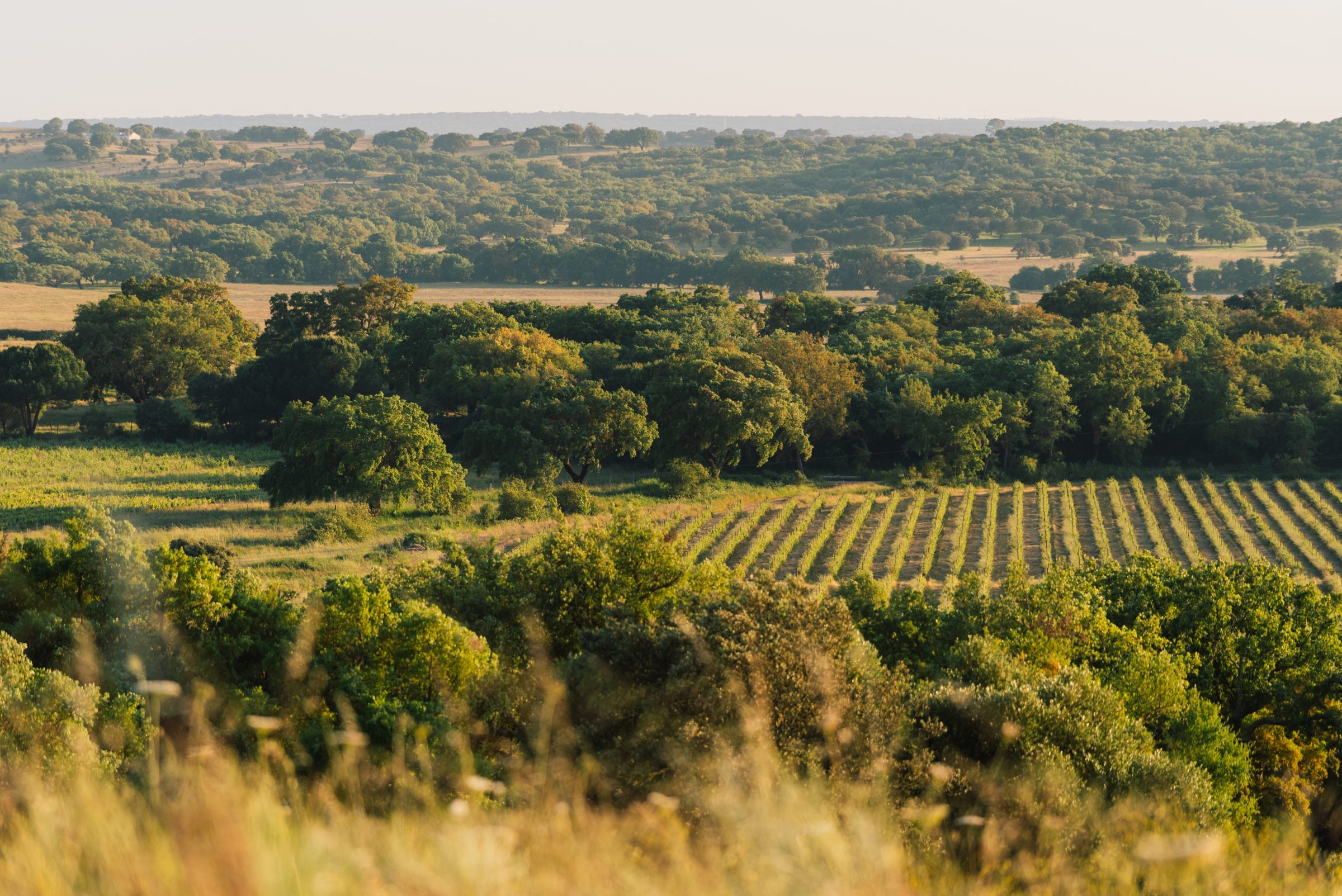
Cork oak montado at Tapada de Coelheiros
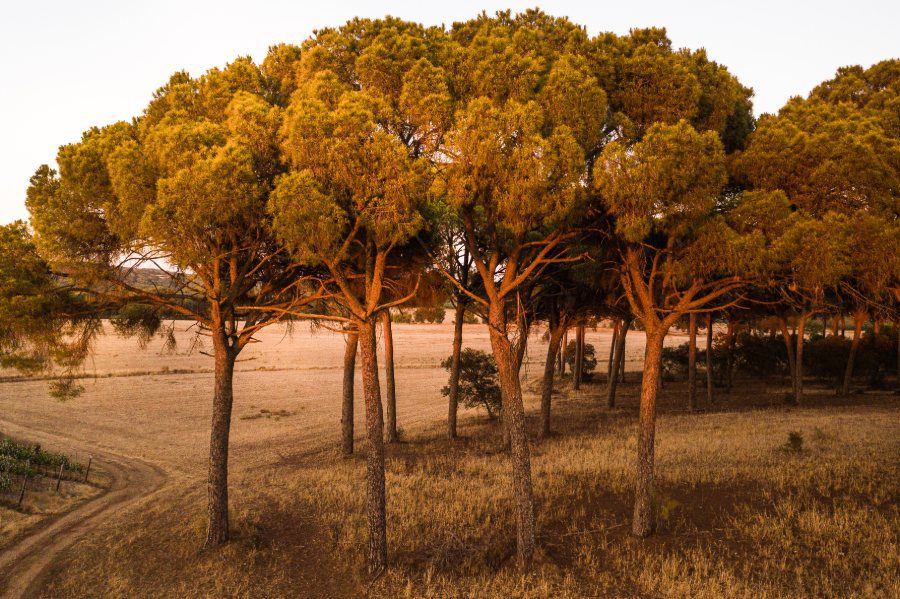
Stone pines at Tapada de Coelheiros
Vineyard and montado at Tapada de Coelheiros
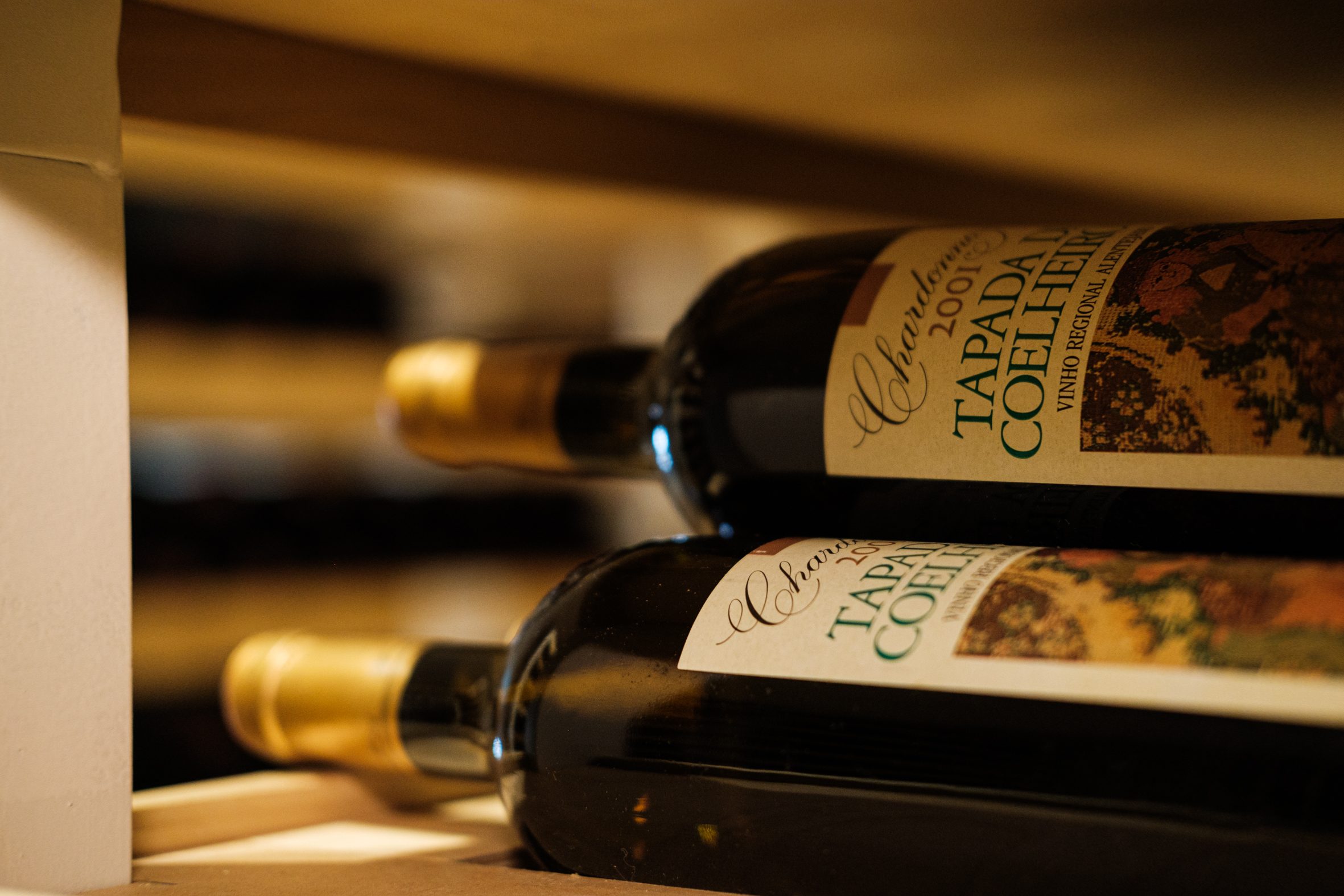
Bottles of Tapada de Coelheiros Red lying in the cellar
A bottle of Tapada de Coelheiros Garrafeira 1996
Alberto Weisser at Tapada de Coelheiros
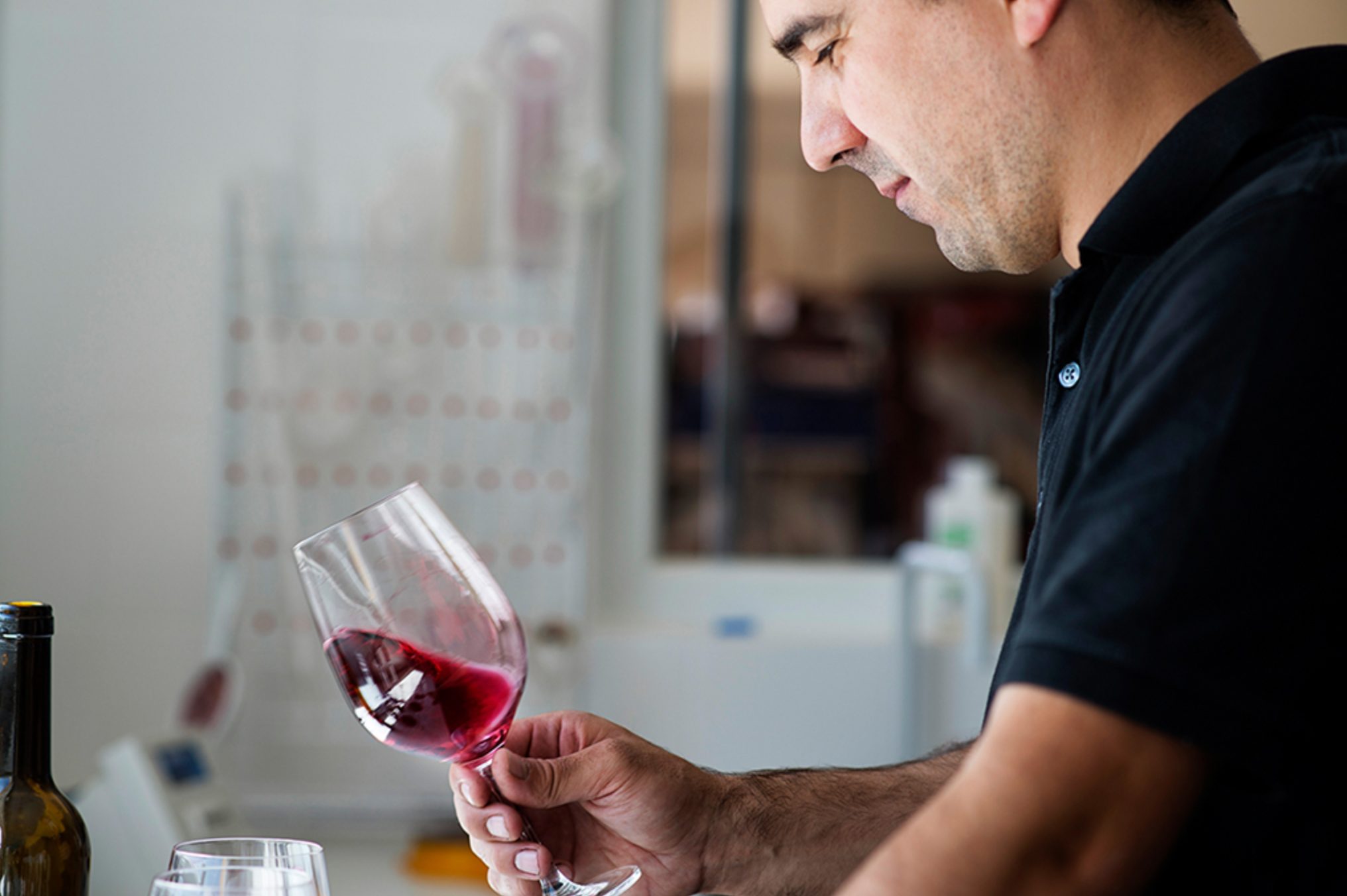
Luís Patrão tasting wine in the winery
Bottles of the Coelheiros range and Vinha do Taco on an outdoor table
Freshly picked red grapes in a bucket
The Tapada vineyard seen from inside a jeep
Young protected trees in the Tapada de Coelheiros montado
Walnut harvest at Tapada de Coelheiros
1467

Tapada de Coelheiros is given as a dowry to Branca de Vilhena and D. Rui de Sousa, who was linked to the Treaty of Tordesillas.

1887

The Count of Azarujinha buys the estate. One of the earliest known records of vines at Coelheiros also dates from this year.

1981

Joaquim and Leonilde Silveira buy the Tapada and plant vines and walnut trees, choosing grape varieties that were uncommon in the Alentejo at the time.

1991

António Saramago makes the first Tapada de Coelheiros Red, with a label inspired by the traditional Arraiolos tapestries.

1996

Tapada de Coelheiros Garrafeira 1996 is recognised as one of the great wines of the Alentejo and of Portugal.

2015

Alberto Weisser acquires the estate and comes to live at the Tapada.

2016

The following year, Luís Patrão takes charge of winemaking and viticulture.

2017

Coelheiros takes on a new identity inspired by Arraiolos rugs. The first Vinha do Taco and the new Coelheiros range are also born.

2021

Coelheiros receives PSVA certification, becoming the second producer in the country to obtain this sustainable production certification.

2022

Tastings and visits to the Tapada begin, and Coelheiros Rosé is born. The vineyard is now certified organic.

2023

The Bio Montado Project begins, created to make the montado and the vineyard ecosystems more resilient through pilot areas. The olive grove has its first certified organic harvest and the first Vinha do Alto, from the 2018 vintage, is released.

2024

The first Vinha da Sobreira, from the 2020 vintage, is released, and the walnut grove has its first certified organic harvest.

01
12

At the Tapada, organic and regenerative farming starts with knowing the land and working with what happens on it.

We do not use synthetic chemicals. Ground cover protects and feeds the soil, sheep help keep the vegetation in check and different species contribute to the balance of the ecosystem.

We also follow the soil, the water and the climate closely, to better understand when to step in and when not to.

ECOSYSTEM

At Coelheiros, the vineyard is only

one part of the landscape.

Across the Tapada’s roughly 800 hectares, the vineyard, the winery, the walnut grove, the olive grove, the pine wood and the montado are all part of the same place.

We have vines more than four decades old and others planted only recently.

Spread over 38 plots, there are nine: Leonilde, Choupal, Monte, Alto, Taco, Cabido, Sobreira de Cima, Sobreira de Baixo and Ribeira. All are certified organic, but no two are alike. Age, soils, exposure and the surrounding landscape change from vineyard to vineyard.

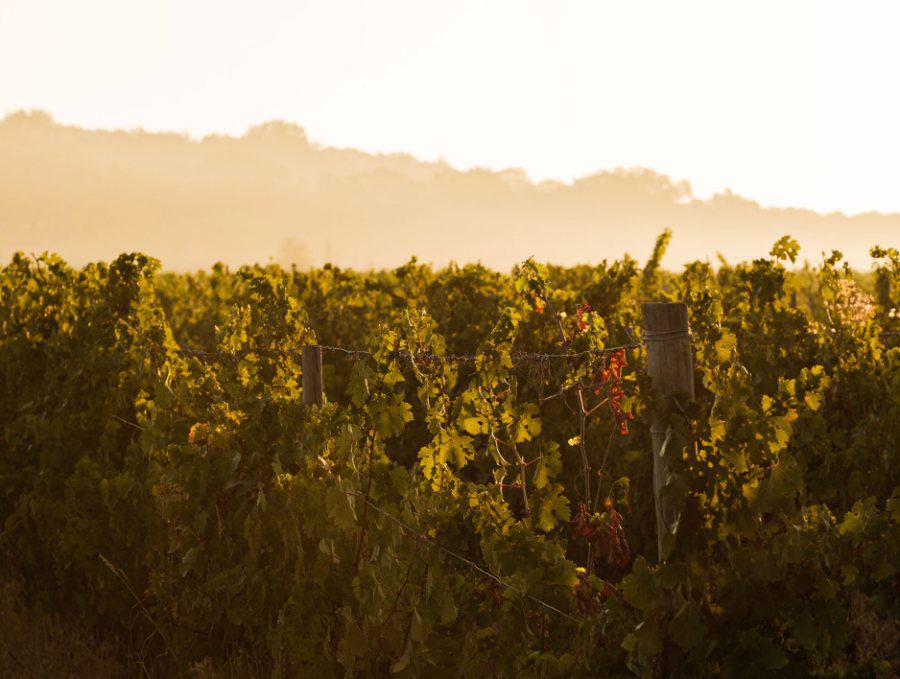
Vineyards at Tapada de Coelheiros

In the winery, we work on a small scale and give each wine the time it needs.

Much of the work is done by hand and we only intervene as far as necessary. We work with stainless steel, barrels and foudres, and some wines spend several years in bottle before leaving Coelheiros.

Barrels in the Tapada de Coelheiros winery

Walnut trees have been part of Coelheiros since 1981.

Today we have several walnut groves, where we grow 4 different varieties of walnut. They are spread across the Tapada, close to the vineyards, the meadow and the pine wood, as at Alto.

Walnuts from the Tapada de Coelheiros walnut grove

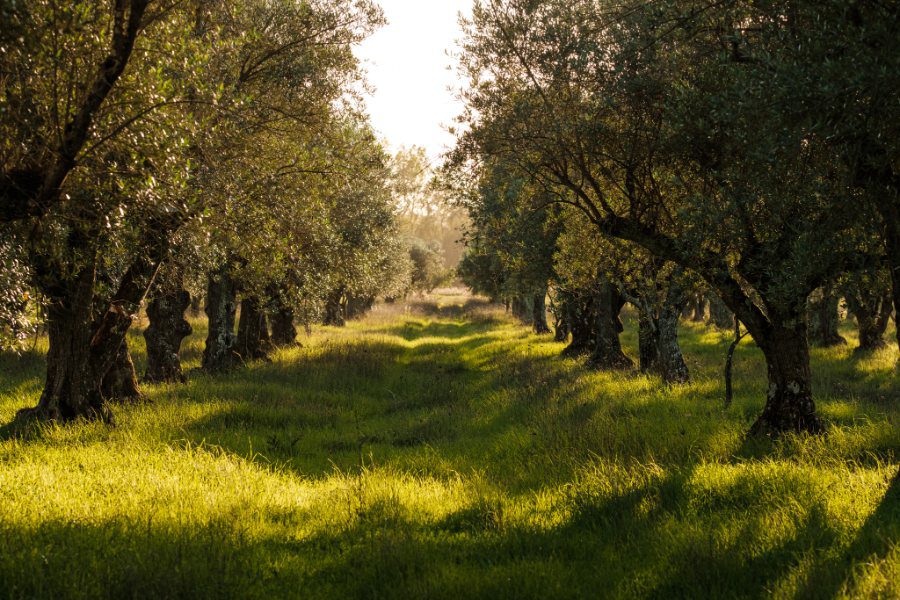
Our olive grove is around 60 years old and covers two hectares of the Tapada.

The olive trees are planted close together, following the traditional spacing. Their crowns meet and cast a wide shade that helps keep the soil protected.

The olive grove at Tapada de Coelheiros

We have three stands of stone pine spread across the Tapada.

Among them is Pinhal do Alto, on a rise next to the vineyard of the same name. The stone pine wood beside Vinha do Alto inspired the label of this wine.

Stone pines at Tapada de Coelheiros

The montado covers 650 of Coelheiros’ roughly 800 hectares.

Among the cork and holm oaks there are small ponds, grazing land and a wide variety of animals, such as deer, hares, foxes and eagles. The reservoir is also home to otters and wild ducks, and flamingos visit every year. The montado also surrounds some of our vineyards, such as Taco and Sobreira.

The montado at Tapada de Coelheiros

We are a team of different generations, backgrounds and ways of knowing Coelheiros

Most of us come from the villages near the Tapada, such as Igrejinha, Vale Pereiro and Vimieiro, while others have come from Évora, Lisbon and the north of the country. We work every day among the vineyard, the winery and the Tapada’s other crops, and keep getting to know this place.

WINE TOURISM

Tastings and visits

Come and discover the Tapada and taste our wines where they are made.

Discover

© TapadadeCoelheiros 2026